A specialist day and boarding school for pupils with dyslexia and co-occurring Specific Learning Difficulties
Linda recently visited Frewen College, a specialist day and boarding school in East Sussex, and it is easy to see why this is such a memorable place.
Frewen is an independent co-educational school for pupils aged 11 to 19, supporting young people with dyslexia and co-occurring Specific Learning Difficulties. Many pupils may also have associated needs such as dyspraxia, dyscalculia, ADHD, speech and language difficulties or other learning profiles, but dyslexia sits at the heart of the school’s work.
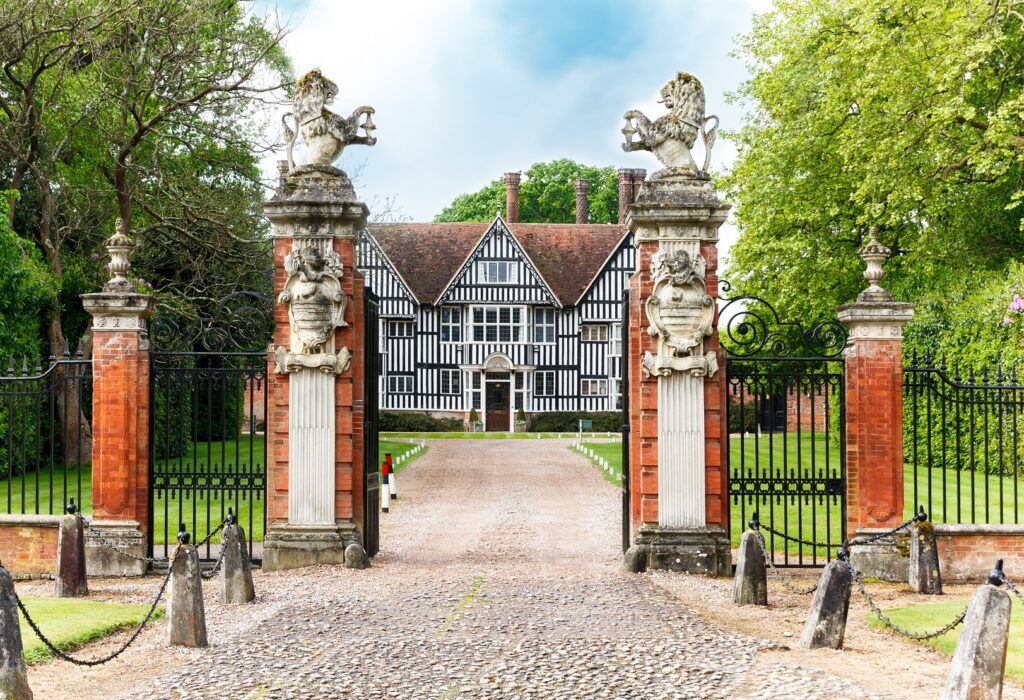
Set in beautiful countryside near Rye, Frewen has a very distinctive feel. The school is based around Brickwall House, a striking historic country house, with generous grounds, gardens and space all around. It is calm, characterful and quietly impressive, but what stood out most was the thoughtfulness of the provision and the clear understanding of children who learn differently.

A long history in dyslexia support
Frewen is widely regarded as one of the oldest dyslexia specialist schools in the UK, with roots stretching back more than 100 years. That depth of experience matters. This is not a school that has simply added learning support around the edges. The whole school is built around understanding how pupils learn, where confidence may have been knocked, and how the right support can help them begin to see themselves differently.
For many families considering specialist provision, that is so important. Children who arrive at a school like Frewen may have had a difficult journey before. Some will have found mainstream classrooms overwhelming. Others may have worked incredibly hard, but still felt that school did not quite understand them. Frewen’s role is to help pupils feel seen, supported and able to make progress at a pace that is right for them.

Specialist teaching in every lesson
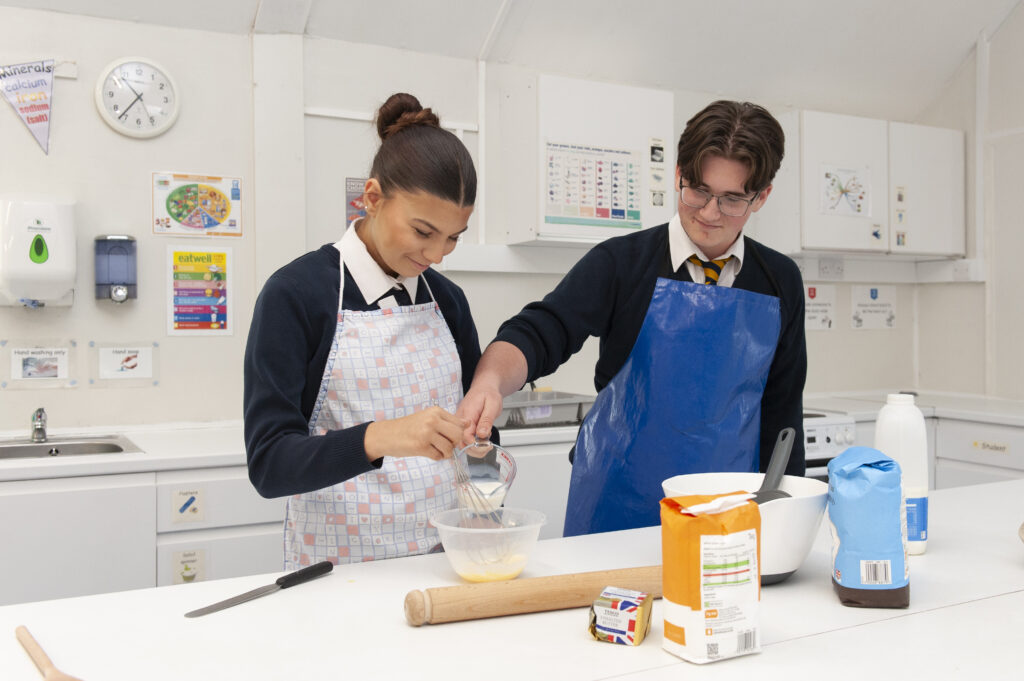
One of the most important things to understand about Frewen is that dyslexia support is not separate from the classroom. It is part of the way pupils are taught.
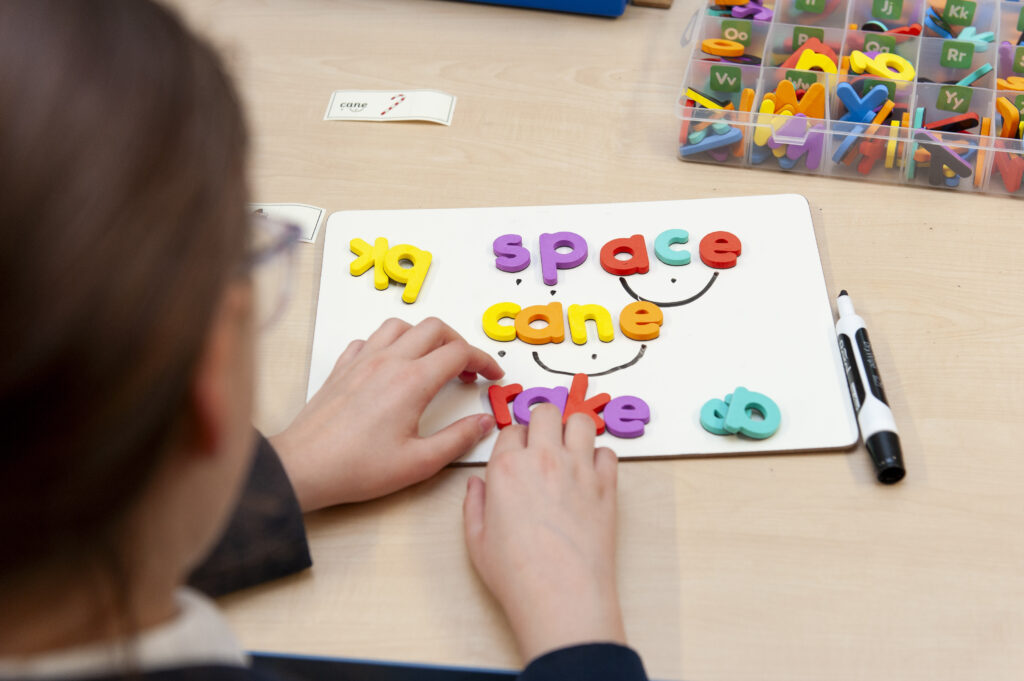
Classes are small, with a typical maximum of eight pupils, allowing teachers to know each child’s learning profile properly. Teaching is multi-sensory and carefully adapted, with literacy support woven through the curriculum rather than treated as an extra intervention outside the lesson.
There is a strong emphasis on helping pupils understand how they learn. Assistive technology, visual prompts, structured literacy, specialist teaching and therapeutic support all form part of the picture. The aim is not simply to get pupils through lessons, but to help them build the skills and independence they need for the next stage.
This is particularly valuable for children who may be bright, creative or capable, but whose dyslexia has affected their self-esteem. In the right environment, those pupils can begin to recognise their strengths as well as understand their challenges.
Academic Pathways
Frewen follows a broad curriculum, but with flexibility around the way pupils work towards qualifications. This is important because children with dyslexia, dyscalculia or related learning differences may not all progress in the same way or at the same pace.
At GCSE level, pupils may work towards GCSEs, BTECs, Functional Skills, Entry Level qualifications or a combination, depending on the subject and the individual child. For some pupils, English and Maths may take longer, with stepping-stone qualifications used where appropriate and the opportunity to continue working towards GCSEs into sixth form.
That flexibility can be reassuring for families. It recognises that progress is not always a straight line, and that confidence, skills and readiness matter just as much as timing.
Boarding at Frewen College
Frewen offers day and boarding places, with boarding available from Year 7, subject to suitability, availability and the right cohort. Boarding can be weekly, full or flexible, which may be helpful for families living further away or overseas.
The boarding has a small, homely feel, with pupils supported by staff who understand the wider learning and pastoral needs of children at the school. As with any specialist school, the key question is always whether the child’s profile is the right fit, both academically and pastorally.
Sixth Form and next steps
Frewen also supports pupils through sixth form, with a focus on growing independence. For older pupils, the balance between continued specialist support and preparation for life beyond school is particularly important.
Sixth form pathways may include A levels, vocational courses and college-linked options, with Frewen continuing to provide specialist support around study skills, organisation, literacy and independence.
Some pupils may move on after GCSEs to colleges or other specialist settings, while others stay into sixth form. Pathways after school may include further education, university, apprenticeships or work-related routes, depending on the young person’s strengths and interests.
This flexible approach is often helpful for pupils whose talents may not sit neatly within one traditional academic route.
The feel of the school
What Linda particularly noticed on her visit was the sense of calm. Frewen has a lot of space, both physically and emotionally. The historic setting, grounds and countryside all help, but so does the school’s small size and specialist focus.
There is a strong sense that staff understand the children in front of them. That matters enormously in specialist education. Families are not just looking for small classes or therapy provision on paper. They need to know whether a school really understands the child behind the report.
Frewen feels like a school where the details matter. The teaching, the pastoral care, the boarding, the therapies and the day-to-day rhythm of school life all work together. For the right child, that joined-up approach can be transformative.
Who might Frewen suit?
Frewen may suit a child whose main area of need is dyslexia or a related Specific Learning Difficulty, and who would benefit from being taught in a school where specialist support is built into the classroom, not added on at the edges.
It may be particularly worth considering for families looking for:
specialist dyslexia teaching across the curriculum
small classes where teachers really know each pupil’s learning profile
multi-sensory teaching and practical strategies to support literacy
assistive technology used as part of everyday learning
flexible academic pathways, where GCSEs are not the only measure of progress
support with organisation, confidence and independence
a thoughtful approach for pupils with co-occurring needs such as dyspraxia, dyscalculia, ADHD or speech and language difficulties
As with any specialist school, the fit needs to be considered carefully. Frewen is not trying to be all things to all children. It is a school for pupils whose primary need is dyslexia or a related learning difference, and where the right match between the child’s profile, the teaching approach and the pastoral environment really matters.
Reports, current needs, emotional readiness, boarding suitability and the child’s own view should all form part of the discussion.
Our visit
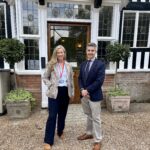
Thank you to Headmaster Mark Loveday and the Frewen team for such a warm welcome during Linda’s recent visit.
School visits are such an important part of our work. They help us look beyond the website and prospectus, and understand the atmosphere, the people and the kind of child who may genuinely thrive there.
For families exploring dyslexia specialist schools, Frewen College is certainly a school to know about.