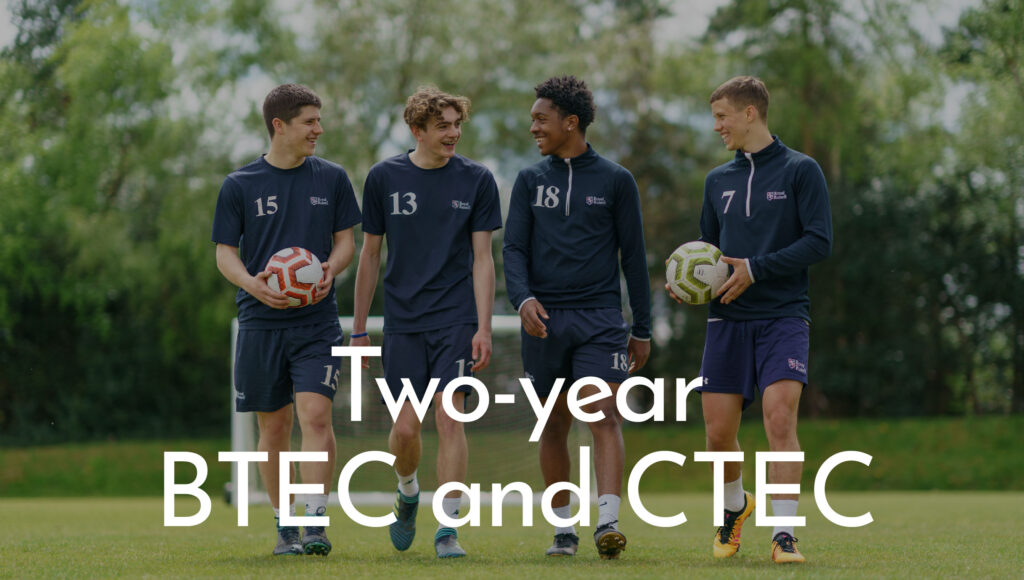
At Claire Calder Consultancy, we understand that students learn in different ways – and success can come from more than just traditional exams. For those who thrive with a practical, hands-on-approach to learning, BTEC Nationals and Cambridge Technicals (CTEC) offer an exciting and equally respected alternative to A Levels.
A Different Way to Learn and Succeed
BTEC and CTEC qualifications combine practical work with academic study, offering a more applied route to success. While A Levels are typically exam-focused, these vocational courses are structured around coursework, assignments, and continual assessment, helping students to demonstrate their strengths over time rather than in one-off exams.
This style of learning suits students who enjoy real-world applications, collaborative work, and continuous progress and it opens doors to a wide range of university and career opportunities.
Recognised, Respected, and Rewarding
Both BTECS and CTECS are Level 3 qualifications that carry UCAS tariff points equivalent to A Levels and are widely accepted by universities – including members of the Russell Group. Increasingly, students are entering higher education with a mix of A Levels and vocational qualifications.
These courses are particularly well-suited to students interested in subjects such as:
Sports Science Creative Media IT Systems Marketing and so many more…
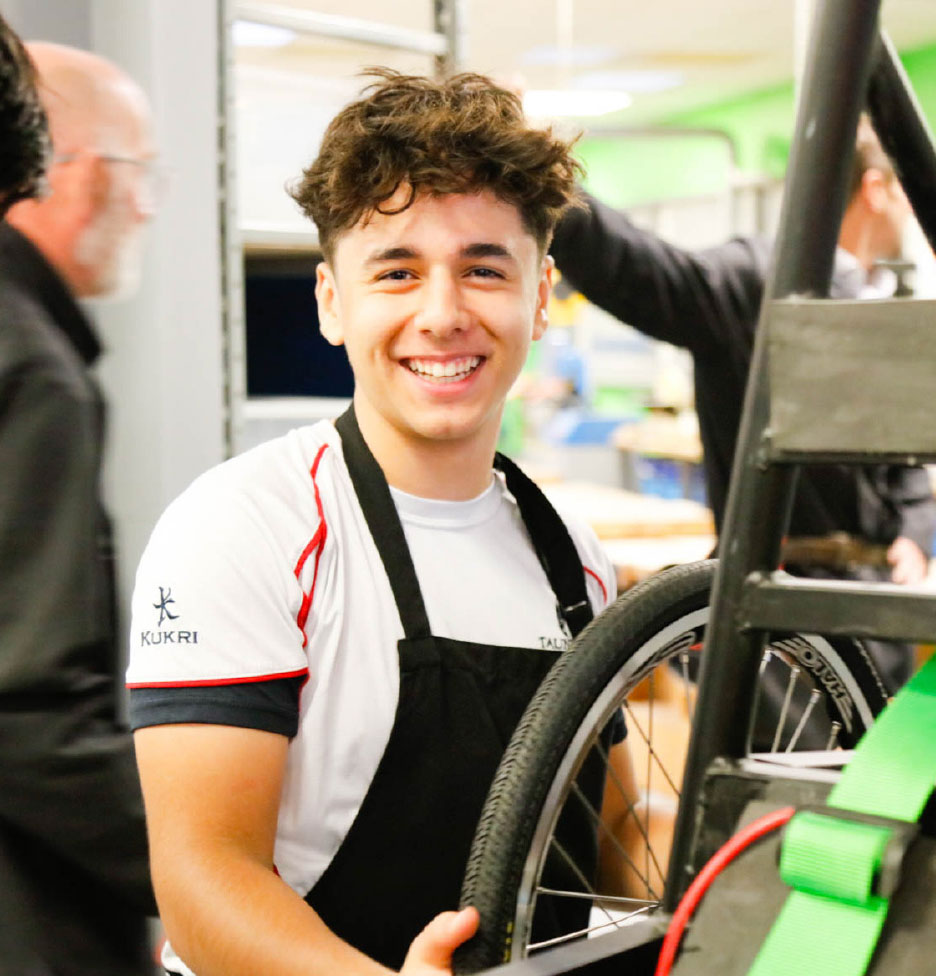
Engineering Music Performing Arts Hospitality
What’s the Difference Between BTEC and CTEC?
The difference is simply down to the awarding body:
BTECS are run by Pearson CTECS are run by OCR
Both offer high-quality, career-focused learning designed to prepare students for university and the workplace.
Not sure which path is right for you?
Claire Calder Consultancy offers expert, personalised guidance to help you explore your options and move forward with clarity and confidence.